
For Families
Increase the shelf-life of your fresh produce by days and up to weeks longer with Fridge Friend.
Stop throwing your groceries (and money) in the trash. Save money and reduce food waste with a Fridge Friend filter

“Reducing food waste is the single most powerful thing you can do to impact climate change*"
Increase the shelf-life of your fresh produce by days and up to weeks longer with Fridge Friend.
Stop throwing your groceries (and money) in the trash. Save money and reduce food waste with a Fridge Friend filter

Our cool room filters are the most affordable, zero-risk & commitment-free way to immediately reduce expenses in Restaurants, Cafes, Butchers, Pubs, Resorts and any venue with a Cool room.

We are in the process of developing a team of waste reduction professionals that can advise both the public and private sectors on world leading waste reduction strategies.
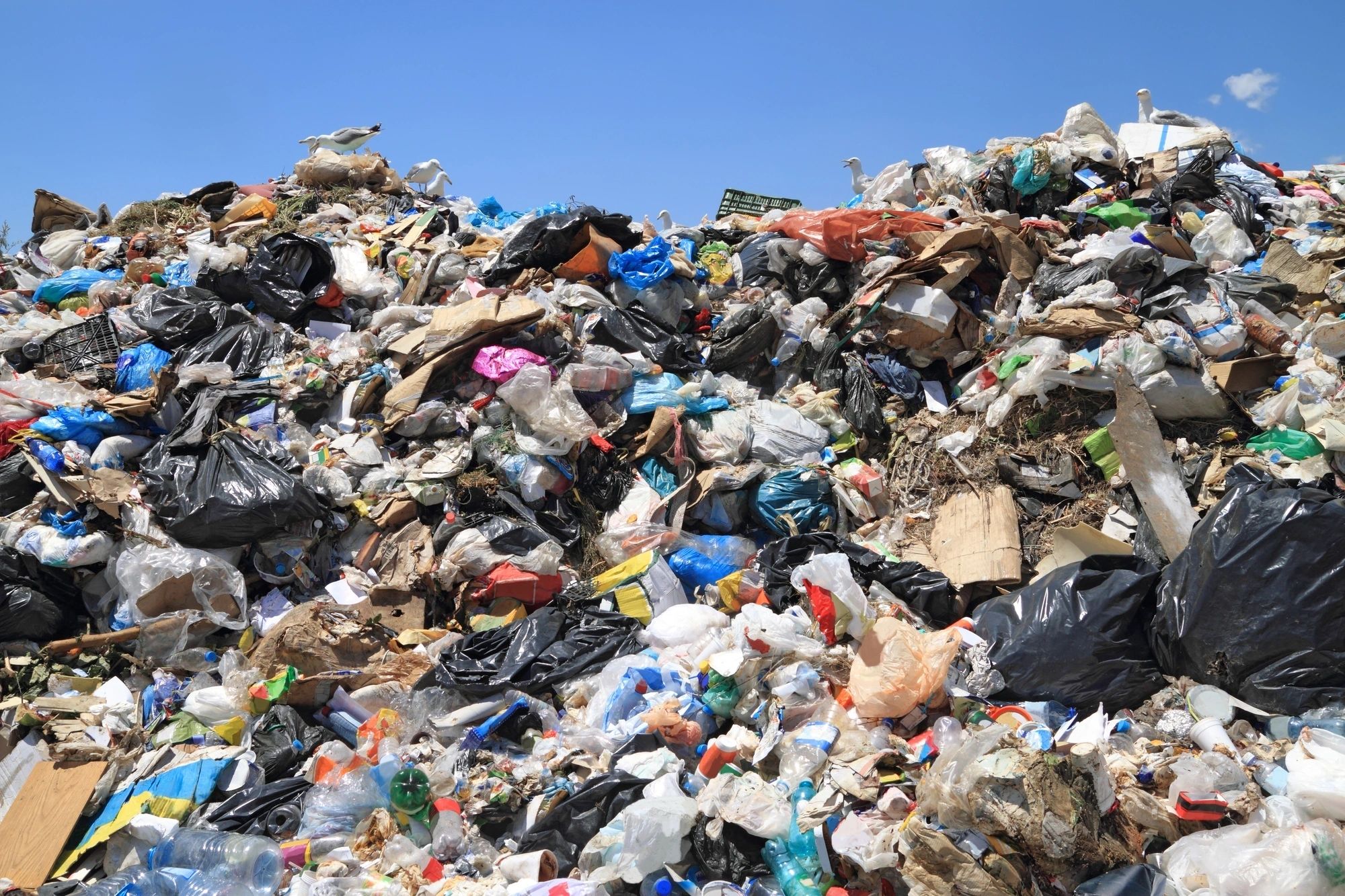
Food waste is a growing problem in our world today, with staggering statistics that reveal the extent of the issue. Every year, one-third of all food produced globally is lost or wasted, which not only harms the environment but also has significant economic and social consequences. In this article, we will explore the current state of global food waste, its causes, and what we can do to reduce it.
According to the United Nations Food and Agriculture Organization (FAO), around 795 million people in the world are undernourished. At the same time, one-third of food produced globally is lost or wasted. This means that the food wasted each year could feed the entire population of undernourished people in the world. This not only shows the scale of the problem but also highlights the stark contrast between those who have too much food and those who do not have enough.
So, what are the main causes of food waste? The FAO cites several reasons, including poor harvesting and storage practices, inadequate infrastructure and logistics, and consumer behavior. In developed countries, much of the food waste occurs at the consumer level, where people buy more food than they need and then throw it away. In developing countries, food waste is often caused by a lack of infrastructure and logistics, making it difficult to transport and store food.
The environmental impact of food waste is also significant. The FAO estimates that food waste is responsible for 3.3 gigatons of greenhouse gas emissions per year, which is the equivalent of around 8% of global greenhouse gas emissions. Food waste also requires large amounts of water and land to produce, and when it ends up in landfills, it produces methane, a potent greenhouse gas.
So, what can we do to reduce food waste? The FAO suggests several actions that can be taken, including improving harvesting and storage practices, investing in infrastructure and logistics, and changing consumer behavior.
On a personal level, we can reduce food waste by planning our meals and shopping more efficiently, using leftovers, and composting food scraps. On a larger scale, governments and businesses can invest in infrastructure and logistics to improve the supply chain and reduce waste.
In conclusion, food waste is a significant global problem that has economic, social and environmental consequences. However, by understanding the causes and taking action to reduce it, we can make a positive impact on the world. It’s important to remember that food waste is a problem that affects everyone, and we all have a role to play in solving it.
Now that you know the staggering statistics of global food waste and what causes it, you can also be a conscious consumer and take steps to reduce your own food waste. Additionally, you can support companies and organizations that are working to reduce food waste and promote sustainable food systems. By working together, we can make a real difference in the fight against food waste.