
For Families
Increase the shelf-life of your fresh produce by days and up to weeks longer with Fridge Friend.
Stop throwing your groceries (and money) in the trash. Save money and reduce food waste with a Fridge Friend filter
“Reducing food waste is the single most powerful thing you can do to impact climate change*"
Increase the shelf-life of your fresh produce by days and up to weeks longer with Fridge Friend.
Stop throwing your groceries (and money) in the trash. Save money and reduce food waste with a Fridge Friend filter
Our cool room filters are the most affordable, zero-risk & commitment-free way to immediately reduce expenses in Restaurants, Cafes, Butchers, Pubs, Resorts and any venue with a Cool room.

We are in the process of developing a team of waste reduction professionals that can advise both the public and private sectors on world leading waste reduction strategies.
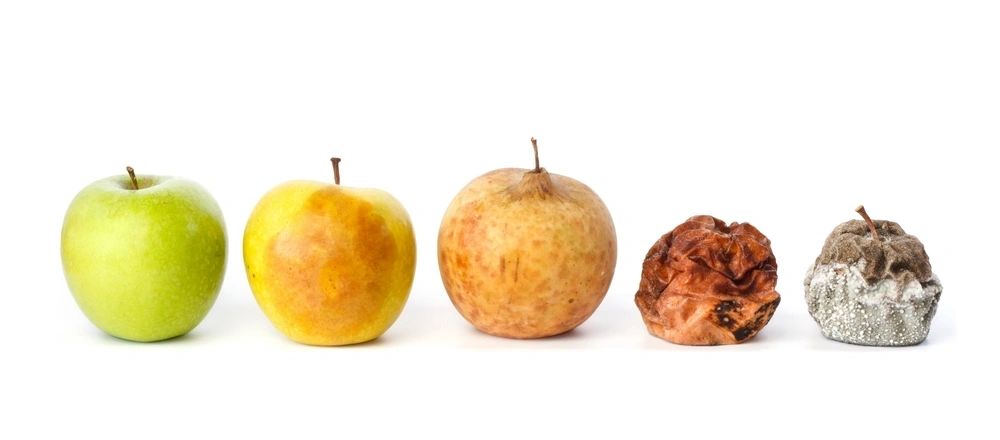
Ethylene gas is a naturally occurring compound produced by many fruits and vegetables. It plays a crucial role in ripening but can also contribute to food waste if not properly managed. In this article, we will explore the effect of ethylene gas on food waste and what can be done to reduce it.
Ethylene gas is a hormone that triggers the ripening process in fruits and vegetables. When a fruit or vegetable is ripe, it releases ethylene gas, which can cause nearby fruits and vegetables to ripen. This is why separating ripe and unripe fruits, and vegetables in storage are essential to avoid premature ripening.
However, when fruits and vegetables are exposed to high levels of ethylene gas, they can ripen too quickly and become overripe, leading to food waste. Additionally, when fruits and vegetables are stored together, they can release different levels of ethylene gas, causing some to ripen faster than others, leading to uneven ripening and food waste.
One way to reduce the effects of ethylene gas on food waste is to use ethylene absorbers. These are small packets filled with a substance that absorbs ethylene gas, slowing the ripening process and extending the shelf life of fruits and vegetables. Ethylene absorbers can be placed in storage containers or directly in the packaging of fruits and vegetables to reduce the effects of ethylene gas.
Another way to reduce the effects of ethylene gas on food waste is to store fruits and vegetables separately. By separating fruits and vegetables that produce high levels of ethylene gas from those that are sensitive to it, you can reduce the likelihood of premature ripening and food waste.
In addition, you can also use technology like Ethylene sensors and control systems to monitor and control the ethylene levels in storage. This way, you can reduce food waste caused by over-ripening.
In conclusion, ethylene gas is a natural hormone that plays a crucial role in the ripening process of fruits and vegetables. Still, it can also contribute to food waste if not properly managed. By using ethylene absorbers, storing fruits and vegetables separately, and using technology to monitor and control the ethylene levels, we can reduce the effects of ethylene gas on food waste and extend the shelf life of fruits and vegetables.
The topic of food waste is a complex one. Many factors contribute to it, including the natural process of ripening fruits and vegetables, Ethylene gas absorption is just one of the many factors that affect food waste, but by understanding its effects and taking action to reduce it, we can make a positive impact on the environment and save money by reducing the amount of food we throw away.